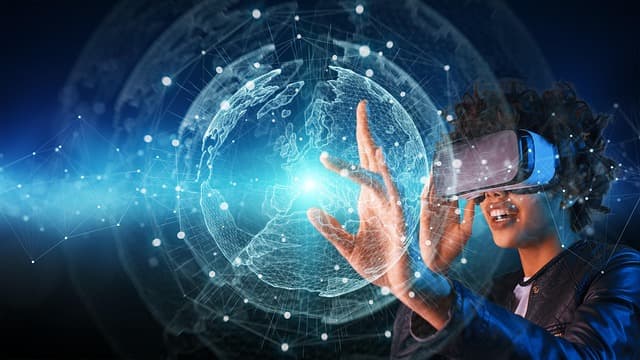
With the proliferation of Web3 and metavillages, NFTs are beginning to play an increasingly prominent role in digital society. These unique tokens are no longer perceived solely as a collectible or speculative asset – they are becoming the basis for social interaction in virtual spaces.
A new form of digital identity
One of the key changes that NFTs have brought about has been the formation of a new form of identity. In virtual worlds, avatars created from NFTs become a visual reflection of the user’s identity. Unlike conventional skins, NFT avatars are truly unique and their ownership is validated on the blockchain. This makes interactions in virtual environments more personal and authentic.
People are proud of their NFT avatars, displaying them on social networks, forums, and gaming platforms. This gives communication an element of prestige, belonging to a certain culture or community. Virtual reputation is increasingly formed not only by words or actions, but also by visual elements confirmed through NFT.
Community Formation
Many NFT projects include active communities with access only for holders of certain tokens. This can be a closed Discord server, events in meta universes, or even physical meetups. Participation in such communities creates a sense of exclusivity, belonging to the “elite” and opens new social ties.
Bored Ape Yacht Club is an example: owners of NFTs in this collection gain access to a range of social opportunities, including online parties, offline events and even the right to vote on project development. This creates strong bonds between members and reinforces a sense of shared mission.
NFT as a social status tool
Virtual assets, including NFTs, have become a new form of status symbol. In traditional social networks, status is defined by followers, likes, and visual presentation. In metasocial, it can be rare avatars, digital real estate, and unique items. NFTs play a key role in this, replacing the usual tangible tokens of prestige with digital ones.
The very idea of ownership is also important: NFTs cannot be faked, their origin and history are completely transparent. This reinforces trust between participants in virtual communities and minimizes the toxicity associated with falsifying achievements or status.
Social gamification
NFT objects often become part of the game mechanics within meta universes. They can give access to missions, roles, items, events. This encourages interaction between users, forms alliances, teams, competition – everything that in the real world provides a living social fabric.
This model is especially active in play-to-earn projects, where NFT is not just a collection, but an asset that affects the player’s income and his position in the virtual community. Economic interaction is complemented by social interaction, creating a more complex but interesting system.
Problems and Challenges
Despite the many advantages, the active introduction of NFT into the social processes of virtual worlds carries risks. One of them is social segregation. Owners of expensive and rare NFTs may find themselves in “closed clubs” inaccessible to the majority of users. This creates the threat of digital inequality and alienation for new participants.
It is also worth considering that the NFT environment is prone to speculation and fraud. The lack of regulation, the complexity of verification and the technical illiteracy of some users increase the risks of losses and conflicts.
Conclusion
NFTs are changing not only the way digital assets are owned, but also the format of communication, reputation and communities in virtual worlds. They have catalyzed a new social culture in which identity, status, and access to interaction are increasingly defined by unique tokens.
With the growth of meta-universes and the empowerment of Web3, we can expect the influence of NFTs on social connections to continue to grow. It is important that this process takes place with accessibility, ethics and security in mind – then the digital society will become not only more innovative, but also more human.